April 14, 2026
Hailstorms can leave behind more than a temporary inconvenience. They also leave visible dents across the hood, roof, trunk, and side panels that affect both appearance and resale value. When that damage appears, one of the first questions many people ask is whether a less invasive repair method can restore the vehicle without the cost and downtime of traditional bodywork. That is where paintless dent repair often enters the conversation.
Choosing the right repair method depends on the extent of the damage, the condition of the paint, and the overall structure of the affected panels. According to CapitalOne Auto Navigator, roughly 80% to 90% of common dents can be repaired using paintless dent repair. That statistic helps explain why this method is so often recommended for hail-related damage. Before deciding how to move forward, it helps to understand how the process works, when it makes sense, and what factors may influence the final result.
Understanding How Hail Damage Happens
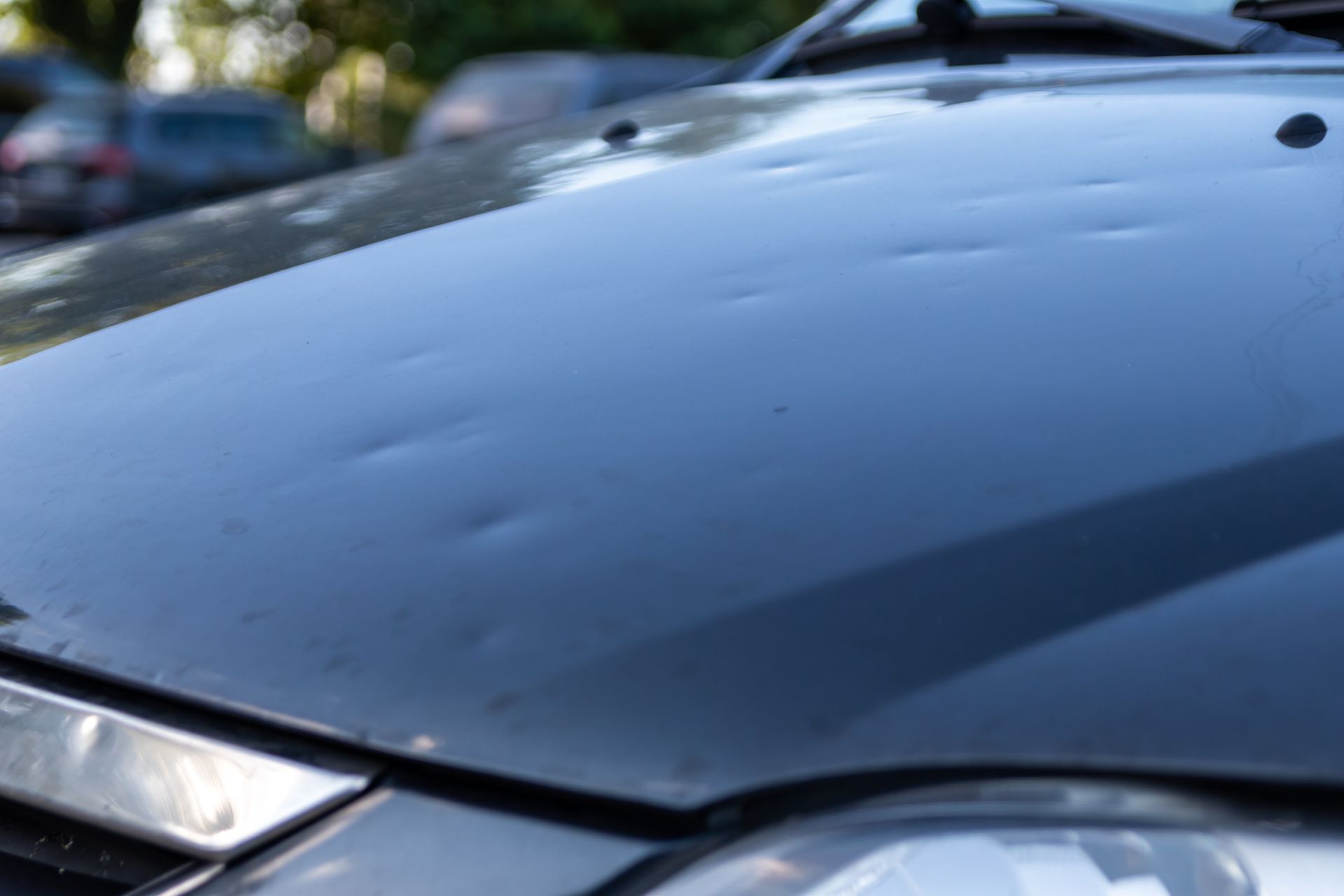
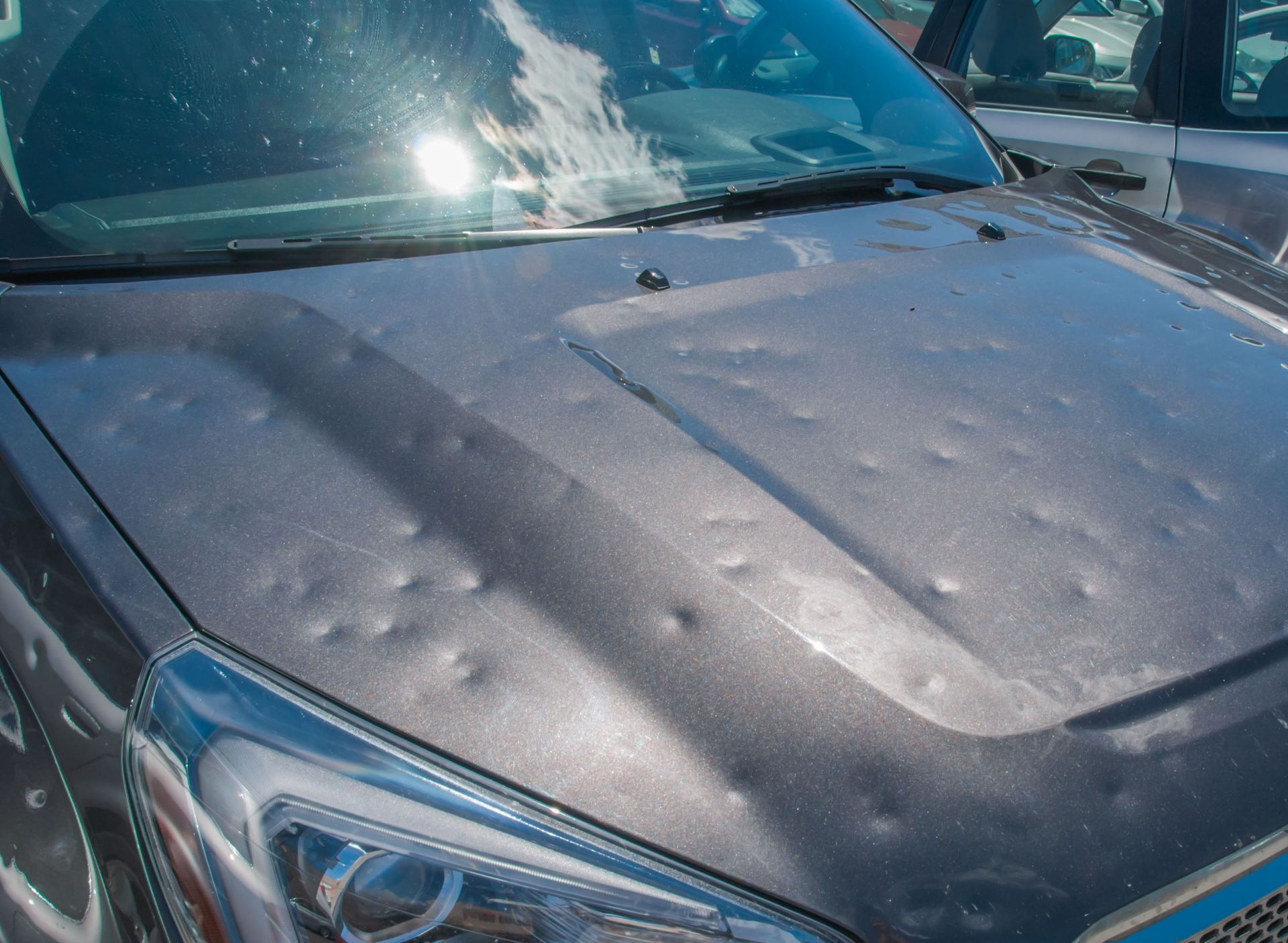
Hail damage can vary widely from one vehicle to another. A brief storm may leave a handful of shallow dents, while a stronger weather event can create dozens of marks across multiple panels. The size of the hail, the angle of impact, and whether the vehicle was moving or parked all play a role in how severe the damage becomes. Even when dents appear minor at first glance, they can affect the vehicle’s finish and overall appearance in ways that are hard to ignore.
In many cases, hail causes small, rounded dents without breaking the paint surface. That detail matters because it can make certain repairs more straightforward than others. If the outer finish remains intact, technicians may be able to restore the damaged area without sanding, filling, or repainting. This is one reason hail damage is often associated with paintless dent repair as a practical solution for many vehicle owners who want to preserve the original finish.
Comparing Traditional and Modern Repairs
Traditional dent repair usually involves sanding the damaged area, applying filler, repainting the panel, and blending the new finish with surrounding surfaces. While that process can be effective, it often takes more time and may cost more because of the materials and labor involved. It can also affect the original factory finish, which some vehicle owners prefer to preserve whenever possible. For larger or more complicated dents, conventional bodywork may still be necessary, but it is not always the only option.
Modern dent removal methods focus on correcting the shape of the metal without changing the paint when conditions allow. This can be especially useful for hail damage because storms often create many small dents rather than a few deep areas of impact. When the damage fits the right criteria, a less invasive method may restore the vehicle more efficiently. Understanding the difference between these two approaches can help owners choose a repair path that aligns with their goals, timeline, and budget.
Exploring the Benefits of This Method
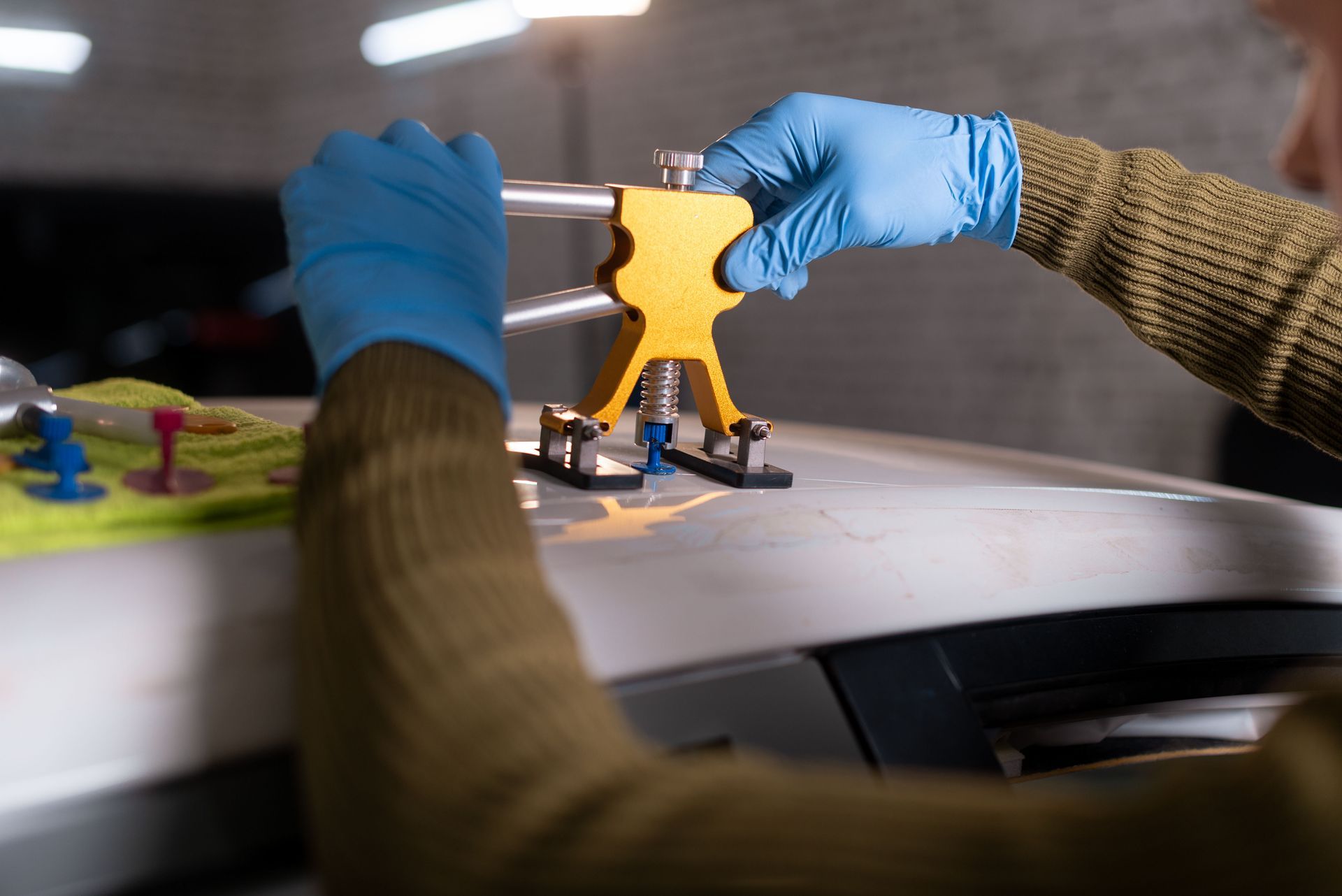
One of the biggest advantages of paintless dent repair is that it works to preserve the vehicle’s original paint. That matters because factory finishes are often more durable and visually consistent than repainted surfaces. When the paint remains unbroken, technicians can often massage the metal back into place from behind the panel or with specialized tools that minimize disruption to the surrounding area. For many owners, keeping the original finish intact is a major reason this option stands out.
Another benefit is convenience. This method often requires less time than traditional bodywork because it does not involve primer, filler, paint matching, or drying time. In many cases, that can mean a faster turnaround and less disruption to daily routines. Paintless dent repair may also help support resale value by maintaining the original appearance of the vehicle and avoiding the signs of refinishing that buyers sometimes notice during inspections.
Recognizing When Other Repairs Are Needed
Although this method can be highly effective, there are situations where another repair approach may be more appropriate. If the paint has cracked, chipped, or split, restoring the metal alone will not fully address the damage. Likewise, if a dent has a very sharp crease, sits on the edge of a panel, or has stretched the metal significantly, a technician may recommend more extensive work. These conditions can limit how completely the panel can be restored without additional repair steps.
Severe hailstorms can also create mixed types of damage on the same vehicle. For example, one section may be repairable with a minimally invasive technique while another area may require conventional refinishing. In those cases, the best solution is not always all or nothing. A reputable technician will explain where paintless dent repair is likely to succeed and where another method may offer a better result. That balanced approach helps owners make informed decisions instead of assuming every dent should be treated the same way.
Reviewing the Importance of Skilled Technicians
The quality of the result depends heavily on the skill of the technician performing the work. Dent removal without repainting is a specialized process that requires careful tool control, a strong understanding of panel shape, and the ability to read subtle changes in reflected light. Even small dents can be challenging if they are located in difficult areas or appear in clusters across a large section of the vehicle. A trained professional experienced in paintless dent repair knows how to approach those challenges without creating additional distortion.
This is why choosing the right repair specialist matters so much. Experience with hail damage, knowledge of vehicle panel construction, and attention to detail can all influence the final appearance. When owners work with a qualified technician, they are more likely to receive an honest assessment of what can be improved and what repair method best fits the damage. That level of guidance helps build confidence and supports better results from start to finish.
Deciding Whether It Is the Best Option
For many vehicles, the answer is yes, especially when hail damage is moderate and the paint surface remains undamaged. A method that restores dents without changing the original finish offers clear advantages in the right circumstances. It can protect appearance, reduce repair time, and help owners avoid more extensive bodywork. Still, the best choice always depends on the specific condition of the vehicle rather than a one-size-fits-all rule.
Taking the time to have the damage evaluated by a knowledgeable professional is the best way to move forward with confidence. Hail dents may look simple from a distance, but a trained eye can determine whether the panels are suitable for this type of correction or whether another method is needed for a complete repair. The more accurate the assessment, the easier it becomes to choose a solution that matches the damage, the budget, and the desired outcome.
Hail damage can be frustrating, but it does not always mean your vehicle needs extensive bodywork or repainting. When the dents are shallow and the paint is still intact, a less invasive repair method can often restore the look of your vehicle while preserving its original finish. Understanding the nature of the damage, the condition of the affected panels, and the value of professional evaluation can help you make a more informed decision about the next step.
If your vehicle has been damaged in a hailstorm and you want to find out whether paintless dent repair is the right solution, contact Fixx-A-Dent Paintless Dent Repair today. Our team can assess the damage, explain your options, and help restore your vehicle with care and precision.