January 10, 2026
Understanding when to seek paintless dent repair (PDR) services can save you time, money, and maintain your vehicle's aesthetic. Navigating the myriad of options available in the auto repair sector can be daunting, but PDR stands out as a frontrunner for several reasons. Paintless dent repair services offer unique advantages, especially for small and moderate dents, which are common in everyday situations. This article explores key indicators that your vehicle might benefit from paintless dent repair. By the end, it should be abundantly clear why PDR is increasingly preferred for maintaining automotive exteriors.
1. Minor Dents in Accessible Areas
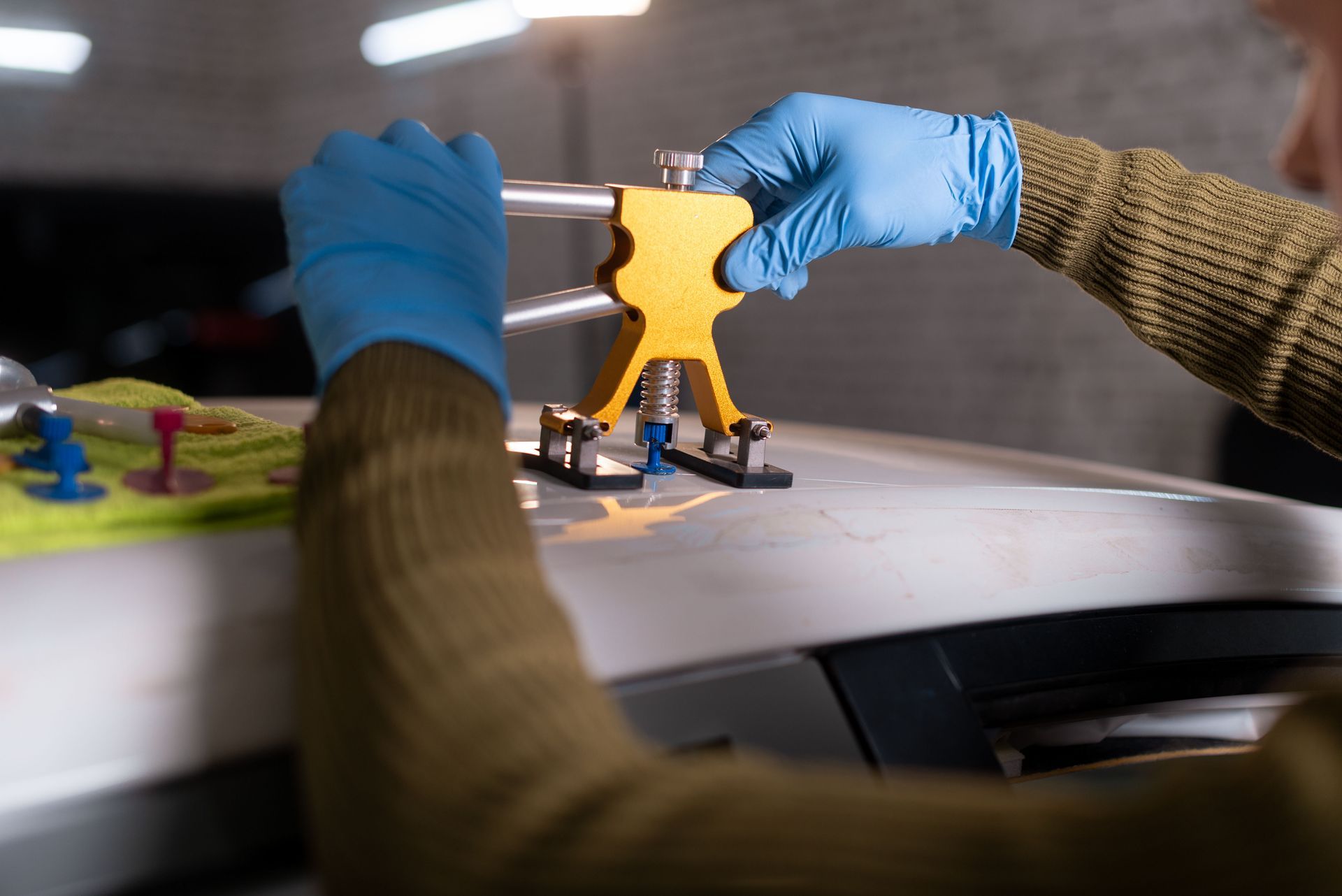
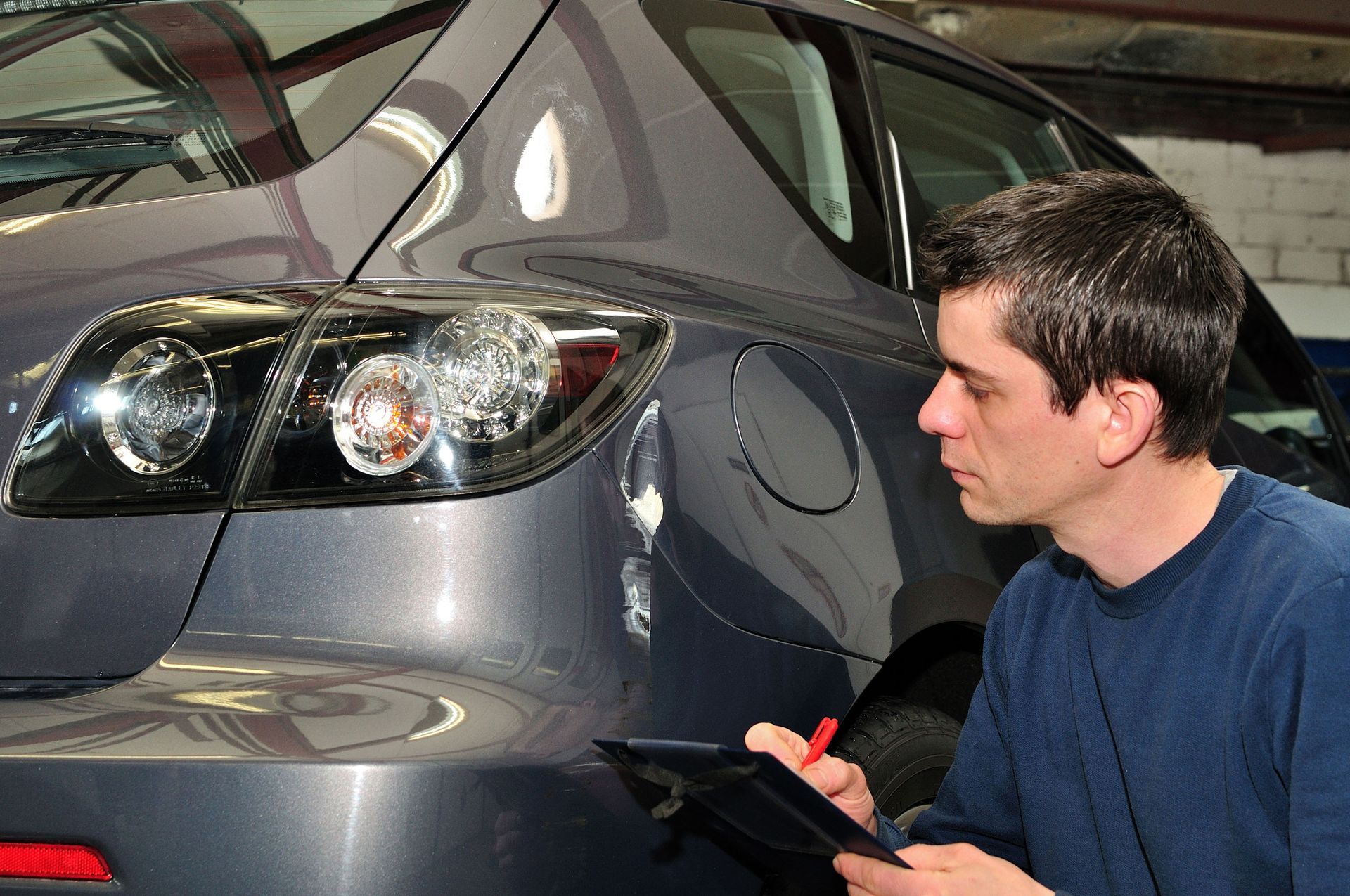
Paintless dent repair services are best suited for minor dents, often caused by encounters such as hailstorms, parking lot mishaps, or minor collisions. The method excels in handling shallow dents on surfaces, where the paint has not been fractured. Identifying whether a dent is suitable for PDR often requires an understanding of the dent's formation and its impact on the car's material. Many small depressions on flat or concave surfaces are candidates for PDR, as these areas allow technicians to work their magic from behind the panel. According to CapitalOne Auto Navigator, between 80% and 90% of typical dents are candidates for paintless dent repair, showcasing the method's versatility.
Not all materials used in car manufacturing are created equal, especially when it comes to repairs. Aluminium and steel, common in car bodies, respond well to PDR due to their ductile properties, which enable reshaping without paint damage. However, fiberglass or carbon fiber panels might pose challenges due to their structural rigidity and brittle nature. Understanding the type of material of your vehicle's panels is crucial before deciding on PDR. Most modern cars use materials that are highly compatible with PDR, reinforcing this technique as a trustworthy choice for car owners.
Size matters when it comes to determining PDR viability. While tiny dents are often ideal candidates, larger ones must be examined for sharpness, depth, and location. Typically, dents up to the size of a sheet of paper can be repaired using PDR, provided there's no severe creasing or stretching. Larger dents might require specialized tools and professionals, but they can still be repaired without resorting to more invasive methods. Knowing the size parameters helps set realistic expectations for PDR outcomes and ensures satisfaction with the end results.
2. Preserving Original Paint Finish
Retaining the original factory paint is a significant advantage of opting for PDR over traditional methods. Factory paint is designed to withstand various environmental factors, ensuring a longer-lasting and more durable finish. Maintaining this original layer not only preserves the car's aesthetic but also its resale value, as factory paints are known for their uniform application and quality. PDR allows for the correction of dents without disturbing this vital layer, ensuring the vehicle retains its showroom finish. This preservation contributes to the overall appeal and longevity of the car's exterior.
Traditional dent repair often involves sanding, filling, and repainting, processes that potentially harm the original paintwork. Such methods can lead to mismatched paint colors and noticeable texture differences, detracting from the car's visual consistency. Additionally, new layers of paint may not offer the same durability as the factory finish, prone to peeling or fading over time. The invasive nature of these repairs increases the risk of future damage, making PDR a more attractive option. Avoiding these risks is key to preserving not only the appearance but also the structural integrity of the paint.
Cost factors heavily into the decision-making process for car repairs, and here, PDR shines as a more budget-friendly alternative. Traditional repairs involve multiple stages, requiring labor-intensive processes and expensive materials, significantly inflating the final bill. In contrast, PDR focuses solely on the physical manipulation of the panel, eliminating the need for additional materials like paint and fillers. By preserving the original paint, PDR also contributes to value retention, proving more economical in the long run. Thus, PDR not only saves upfront costs but also supports continued financial benefits through maintained vehicle value.
3. Maintaining Vehicle's Resale Value
The visual appeal of a vehicle is a decisive factor in its appraisal and resale market. A flawless exterior, free from dents and blemishes, significantly enhances a car's marketability. PDR ensures that vehicles maintain their pristine condition, reflecting positively on their overall desirability among potential buyers. Visual appeal hinges not just on dents but also on the preservation of the original paint, a crucial factor that PDR supports. By choosing PDR, car owners invest in maintaining a vehicle's optimal exterior condition, positively impacting its resale potential.
In the competitive used car market, buyers often have stringent expectations for vehicle condition. Prospective buyers search for vehicles that have been meticulously maintained, emphasizing factors like paintwork uniformity and body condition. Grappling with a car history filled with extensive repairs can deter potential buyers who associate such histories with underlying issues. PDR aids sellers by providing a vehicle history that emphasizes quality upkeep, addressing minor imperfections without resorting to invasive methods. Meeting buyer expectations with a well-maintained vehicle increases the likelihood of a successful sale at an optimal price.
One marketing angle that can be leveraged by car sellers is the use of PDR in their vehicle's maintenance history. Highlighting the implementation of paintless dent repair services underscores a commitment to preserving the vehicle's integrity and appearance. Buyers appreciate learning that PDR, which is less intrusive and more environmentally friendly, was chosen over traditional repairs. This can serve as both an assurance of the seller's care for the vehicle and as a testament to the original condition. Emphasizing PDR use aligns a vehicle with higher maintenance standards, a compelling selling point for potential buyers.
4. Quick and Efficient Repair Process
Time is an invaluable resource, and PDR offers a streamlined repair process that saves vehicle owners significant amounts of it. Traditional repairs, involving sanding, filling, and repainting, are often labor-intensive, requiring several days. In contrast, PDR can be completed in a fraction of the time, often within the same day. This expedited process ensures that vehicle owners can quickly return to their routine without prolonged disruption. The time efficiency of PDR makes it an appealing choice for those who cannot afford to be without their vehicle for extended periods.
Lengthy repair processes oftentimes necessitate the use of rental cars, incurring additional expenses for vehicle owners. By taking advantage of the expedited service offered by PDR, owners minimize the need for and cost of renting alternative transportation. Completing repairs swiftly ensures the owner is back on the road sooner, oftentimes eliminating the need for a rental altogether. Avoiding these additional costs benefits the owner's budget and contributes to the overall cost-effectiveness of paintless dent repair services. The quick turnaround time is not just a matter of convenience but also substantial financial savings.
5. Environmentally Friendly Repair Option
Traditional repairs often necessitate the use of paints, fillers, and solvents, which can have significant environmental impacts. PDR circumvents these needs by focusing on reshaping the existing panel, eliminating the use of such materials entirely. This reduction in paint and solvent usage mitigates harmful emissions and decreases the release of volatile organic compounds into the environment. By reducing reliance on these chemicals, PDR contributes to healthier air quality and lessens the automotive industry's environmental footprint. As such, choosing PDR supports a cleaner, more sustainable approach to vehicle maintenance.
PDR uses significantly less energy than traditional repair methods, which often involve energy-intensive tasks like sanding and repainting. The process relies on skilled manual techniques rather than powered mechanical tools, minimizing energy use. This not only reduces electricity consumption but also lessens the carbon emissions associated with energy production. By using less energy, PDR aligns with eco-friendly practices, supporting broader sustainability goals. Owners choosing PDR can enjoy not only the aesthetic and financial advantages of the service, but also its reduced environmental impact.
Recognizing the right time to address dents can make a meaningful difference in both the appearance and long-term value of your vehicle. From preserving the original paint to reducing repair time, costs, and environmental impact, paintless dent repair services offer a practical solution for many common types of damage. By choosing this efficient approach, vehicle owners can maintain a clean, well-kept exterior while avoiding the drawbacks of more invasive repair methods. For more information about the services that we offer, reach out to our incredible team at Fixx-A-Dent Paintless Dent Repair today!