August 11, 2026
After a collision, restoring a vehicle involves much more than smoothing dents and applying fresh paint. Professional auto body repairs address structural damage, safety systems, mechanical concerns, and cosmetic imperfections so the vehicle can return to dependable service. Each stage requires careful planning, specialized equipment, and clear communication. Understanding the process helps drivers see why experienced repair work is essential for safety, appearance, and performance.
Initial Vehicle Assessment
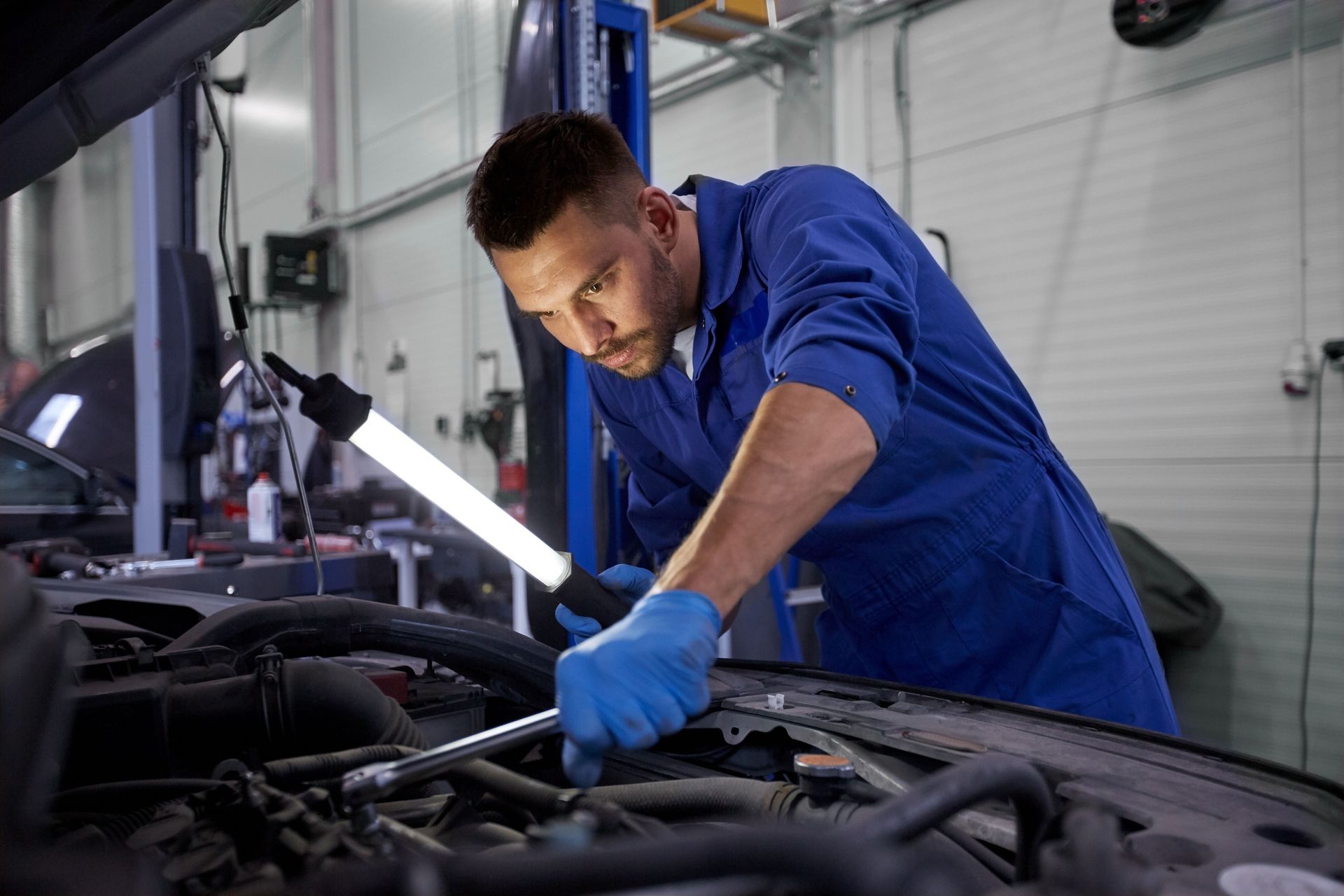
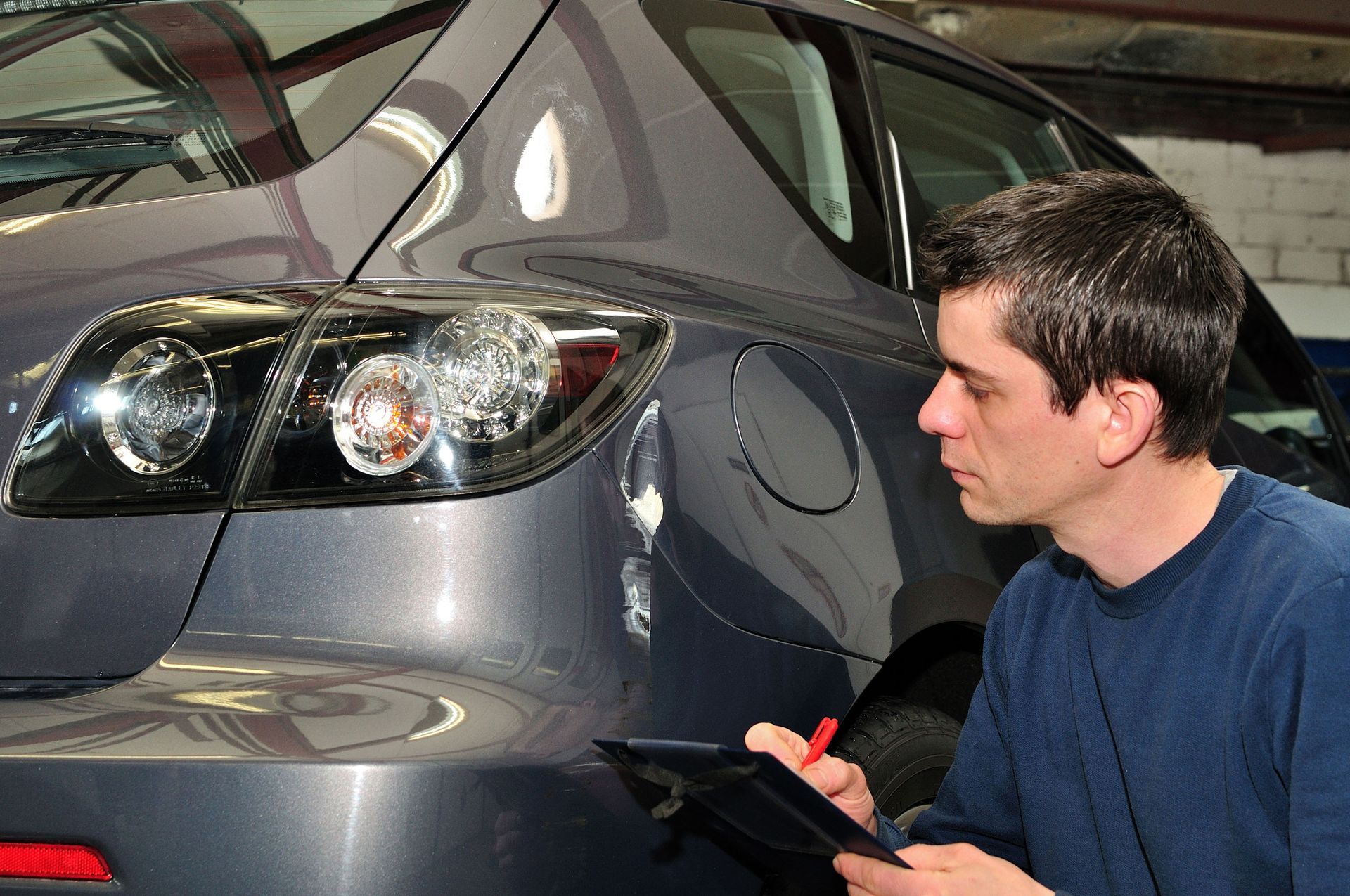
The restoration process begins with a detailed inspection of the damaged vehicle. Technicians examine visible areas such as bumpers, doors, fenders, lights, and body panels while also looking for signs of hidden damage. A collision can affect the frame, suspension, sensors, wiring, and internal mounting points even when the exterior damage appears minor. Careful inspection helps the shop identify every problem that could influence safety or drivability.
Technicians document the damage with photographs, measurements, and written notes. According to Consumer Shield, annual U.S. car crashes range from more than 5 million to more than 6 million, making consistent inspections especially important. Thorough documentation helps ensure that auto body repairs are based on the vehicle’s complete condition rather than only the most obvious damage.
Repair Planning and Cost Estimation
After the inspection, the shop develops a repair plan that identifies the required labor, replacement parts, materials, and specialized procedures. Structural work is normally prioritized before cosmetic improvements because the vehicle must first be returned to its correct dimensions. It may also include alignment, diagnostic scanning, sensor calibration, glass replacement, or mechanical testing.
A written estimate provides the vehicle owner with an expected cost and timeline. The shop may also communicate directly with the insurance company to submit photographs, explain repair procedures, and confirm coverage. Clear communication during this stage reduces confusion and helps customers understand how their auto body repairs will proceed.
Disassembly and Hidden Damage Discovery
Once the initial plan is approved, technicians carefully remove damaged panels, trim pieces, lights, bumpers, and other components. Disassembly provides access to areas that could not be fully inspected while the vehicle was assembled. Parts are labeled, organized, and stored so they can be reinstalled correctly or replaced when necessary.
Hidden damage is common after a collision. A bent reinforcement bar, cracked mounting bracket, damaged wiring connector, or distorted inner panel may not be visible until surrounding parts are removed. When technicians find additional problems, they update the repair plan and notify the insurer and vehicle owner. Addressing these discoveries early helps ensure the vehicle is structurally sound and reliable.
Parts Selection and Procurement
The repair facility must obtain the correct components before reconstruction can continue. Depending on the vehicle and insurance policy, the shop may use original manufacturer, certified aftermarket, recycled, or reconditioned parts. Each option differs in fit, cost, availability, and warranty protection.
Proper parts selection directly affects the quality of auto body repairs. Panels that do not fit correctly can create uneven gaps, wind noise, water leaks, or alignment problems. Experienced shops verify part numbers, inspect components upon arrival, and coordinate deliveries to limit avoidable delays.
Structural Repair and Frame Alignment
Structural correction is one of the most important stages of collision restoration. Technicians use computerized measuring systems to compare the vehicle’s dimensions with manufacturer specifications. Even a small deviation in the frame or unibody structure can affect handling, tire wear, door alignment, and crash protection.
Specialized frame equipment gradually returns damaged sections to their proper position. Severely compromised components may need to be removed and replaced using approved welding, riveting, or bonding methods. Technicians follow vehicle-specific procedures because modern automobiles often combine high-strength steel, aluminum, composites, and adhesives. Correct structural auto body repairs restore the vehicle’s geometry and support connected safety systems.
Safety Systems and Diagnostic Procedures
Modern vehicles contain advanced safety features that may be affected during an accident. Airbags, seat belt pretensioners, parking sensors, cameras, blind-spot monitors, and collision-avoidance systems all require careful evaluation. Technicians scan the vehicle before and after repairs to identify stored fault codes and confirm that electronic systems communicate correctly.
Sensor calibration may be required after replacing a windshield, bumper, mirror, suspension part, or structural component. Calibration ensures cameras and radar units are aimed correctly and can recognize surrounding traffic or roadway conditions. Skipping this step could reduce the effectiveness of driver-assistance features.
Panel Repair and Surface Preparation
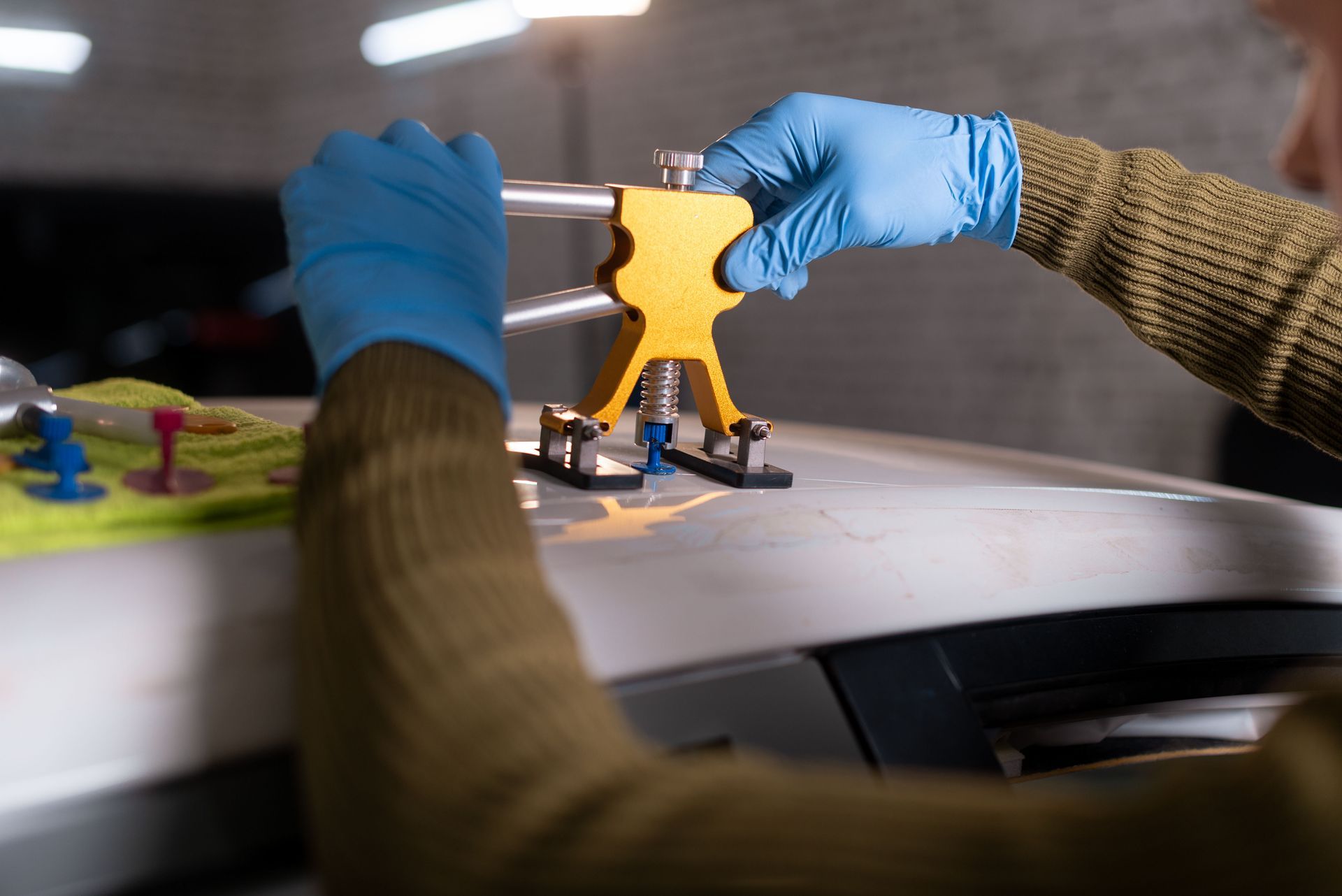
After the structure is restored, technicians repair or replace damaged exterior panels. Minor dents may be reshaped, while torn, stretched, or sharply creased metal may require replacement. Sanding and shaping create smooth transitions between repaired and undamaged areas.
Surface preparation is essential for durable auto body repairs. Technicians remove contaminants, corrosion, damaged paint, and uneven material before applying primer. Primed surfaces are sanded again to create a uniform foundation for color. Careful preparation prevents visible waves, peeling, bubbling, and premature finish failure.
Paint Matching and Refinishing
Matching automotive paint requires both technology and experience. Color codes provide a starting point, but sunlight, weather, and previous work can alter the original finish. Technicians may use color databases, spray-out cards, and spectrophotometers to create a close match. Adjacent panels are sometimes blended so the transition between old and new paint appears seamless.
Paint is applied inside a controlled booth that limits dust and manages airflow. Technicians apply primer, base color, and clear coat according to product requirements, allowing proper drying or curing between stages. Once cured, the surface may be polished to remove minor texture variations and produce a consistent shine.
Reassembly and Functional Testing
During reassembly, technicians reinstall repaired and replacement components in their correct positions. Fasteners, clips, seals, wiring connections, lights, trim, and interior pieces must all be fitted securely. Panel gaps are checked to confirm that doors, the hood, and the trunk open and close smoothly.
The team then tests mechanical and electronic functions. Headlights, turn signals, windows, locks, cameras, sensors, and infotainment features should operate normally. This evaluation confirms that the completed auto body repairs have restored more than appearance and that the vehicle performs safely under normal driving conditions.
Final Inspection, Detailing, and Delivery
Before the vehicle is returned, the shop performs a final quality inspection. Technicians review the repair plan, examine the paint finish, verify panel alignment, and check for remaining warning lights or operational concerns. Any imperfections are corrected before delivery. Records, warranties, and insurance documents are organized for the customer.
The vehicle is then cleaned inside and out to remove dust and repair residue. During the walkthrough, a representative explains replaced parts, warranty coverage, and paint-care recommendations. Professional collision restoration concludes with a vehicle that looks restored, operates correctly, and provides confidence that important safety and structural concerns were properly addressed.
Protecting the Vehicle After Repair
Following the shop’s care instructions can help preserve the repaired finish. Fresh paint may require a short curing period before waxing, using harsh chemicals, or visiting an automatic car wash. Drivers should monitor steering, warning lights, and unusual noises after the vehicle returns to the road. Reporting concerns promptly gives the shop an opportunity to inspect the work while warranty coverage remains active.
Collision restoration is a detailed process that combines inspection, structural correction, refinishing, diagnostics, and customer communication. When every phase is completed carefully, the result supports safety, appearance, resale value, and dependable operation. Qualified technicians and clear documentation help owners make informed decisions and return to the road with confidence. Contact Fixx-A-Dent Paintless Dent Repair today and learn more about our auto repair services.