February 13, 2026
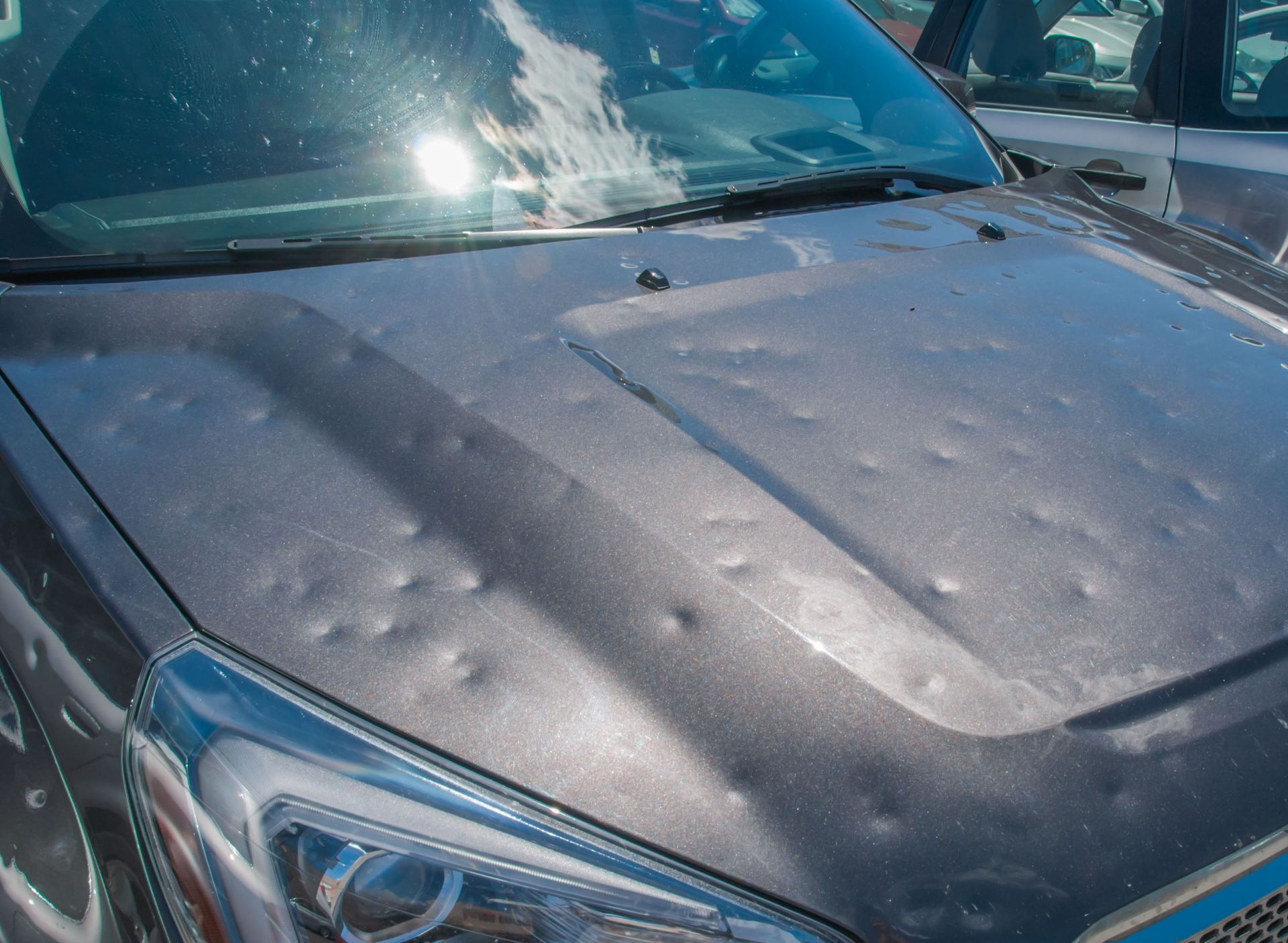
Hailstorms can strike without warning, leaving your vehicle covered in dozens or even hundreds of small dents that damage its appearance and significantly reduce its value. When faced with hail damage, vehicle owners must decide how to restore their cars to pre-storm condition while considering costs, time requirements, quality of repair, and impact on vehicle value. Traditional body shop repairs involving filler, sanding, and repainting have been the standard approach for decades, but paintless dent repair has emerged as an increasingly popular alternative that offers distinct advantages for many hail damage situations. Understanding how this technique works, what types of damage it can address, and how it compares to conventional repair methods helps you make informed decisions about restoring your vehicle after hail damage.
Understanding How Paintless Dent Repair Works
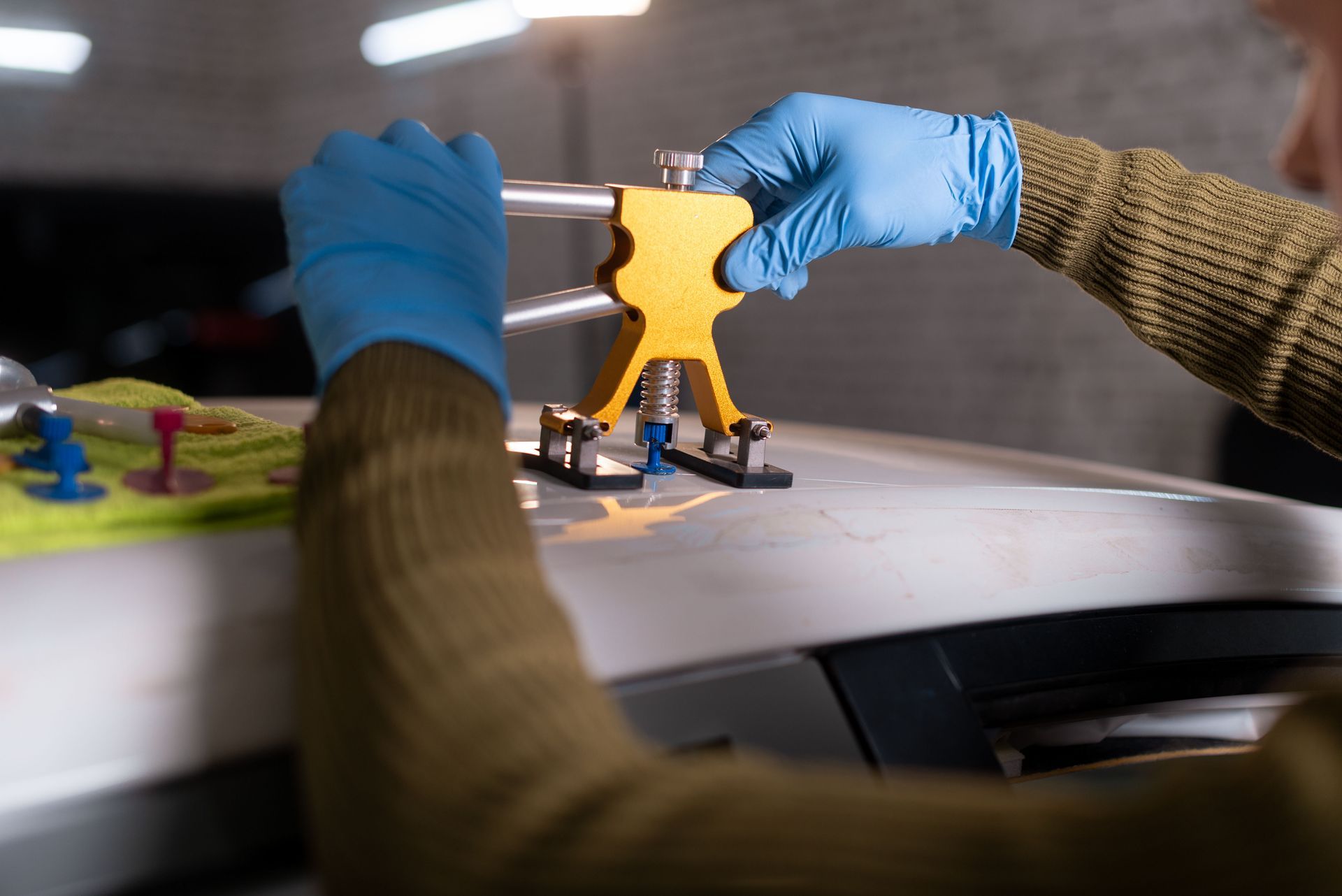
Dent repair is a specialized technique that removes dents without disturbing the vehicle's original factory paint by carefully massaging and reshaping metal from behind the damaged panel. Technicians use specialized tools to access the back side of dented panels through existing openings or by removing interior panels, lights, or other components that provide access. Once positioned behind the dent, technicians apply precise pressure in specific sequences that gradually push the metal back to its original shape without cracking paint or creating additional damage. According to Kelley Blue Book, small hailstones can fall at 25 mph and cause dents on a vehicle's roof and hood, creating the shallow, widespread damage that paintless dent repair addresses particularly well. This technique requires significant skill, training, and experience to perform correctly, as improper pressure or technique can worsen damage or crack paint that would then require conventional repair approaches.
Types of Hail Damage Best Suited for Dent Repair
Dent repair works best on shallow dents with minimal surface area where paint remains intact, and metal has not been creased, torn, or stretched beyond the technique's repair capabilities. Most hail damage creates small, round dents perfect for paintless techniques because hailstones produce impact damage without the sharp creases or large deformations that more effectively resist this repair approach. The technique is particularly effective on aluminum panels and high-strength steel commonly used in modern vehicles, as these materials respond well to the careful pressure applied during the repair process. However, damage that has cracked paint, created sharp creases, stretched metal significantly, or occurred on panel edges or complex curves may not be suitable for paintless dent repair and may require traditional body work. Professional technicians can assess damage and honestly communicate whether paintless techniques will produce acceptable results or if conventional methods would deliver better outcomes for your specific situation.
Limitations and Situations Where Traditional Repair May Be Necessary
While dent repair offers remarkable capabilities, it cannot address all hail damage situations, particularly when paint has been damaged or metal deformation exceeds what the technique can correct. If hail has chipped, cracked, or scratched paint down to bare metal, those areas will require auto paint scratch repair or conventional body work, regardless of whether surrounding dents can be addressed with paintless techniques. Very large dents, severely creased metal, or damage on panel edges where technicians cannot access the back side of panels may be impossible to repair without traditional methods involving filler and paint. Older vehicles with deteriorated paint that may crack when pressure is applied during repair, or vehicles with previous body work where paint quality is unknown, may not be good candidates for paintless techniques. In these situations, combining dent repair for suitable damage with traditional methods for areas that require conventional approaches may provide the best overall solution that balances cost, quality, and repair time.
Cost Considerations and Insurance Coverage
The cost of hail damage repair varies dramatically based on severity, number of dents, vehicle make and model, and whether you choose dent repair or traditional body shop methods. Paintless techniques typically cost 50 to 70 percent less than conventional repairs for equivalent damage because they eliminate materials costs and reduce labor time significantly. Most comprehensive auto insurance policies cover hail damage, and insurance companies increasingly prefer paintless repair because lower costs benefit both the insurer and policyholder through smaller claims that don't impact premiums as severely. Some insurers waive deductibles for paintless repairs or offer other incentives that make this approach even more economically attractive for vehicle owners dealing with hail damage. When obtaining estimates, get written quotes from multiple providers, verify they include all necessary work, and confirm your insurance company will accept the repair method and provider you select before authorizing work.
Combining Paintless Repair with Other Restoration Services
Hailstorms often cause damage beyond simple dents, potentially cracking windshields, damaging headlights, scratching paint, or denting alloy wheels that require different repair approaches. Comprehensive restoration may involve dent repair for body panel dents combined with windshield repair for chips and cracks, headlight restoration for clouded or damaged lenses, alloy wheel repair for rim damage, and auto paint scratch repair for areas where hail has scratched through the clear coat. Working with providers offering comprehensive services allows coordinated repairs that address all storm damage efficiently, rather than visiting multiple specialists for different damage types. This integrated approach often proves more convenient and may reduce total costs compared to using separate providers for each damage type. Ensuring all repairs are completed professionally and documented properly supports insurance claims and helps restore your vehicle completely, rather than leaving some damage unaddressed.
Making the Decision: Is Paintless Repair Right for Your Situation?
Determining whether paintless dent repair is the best solution for your hail damage requires an honest assessment of damage severity, your budget, time constraints, vehicle value, and your priorities regarding repair quality and authenticity. For most hail damage where paint remains intact, and dents are relatively shallow and numerous, paintless techniques offer superior value through lower costs, faster repairs, and preservation of factory paint. However, severe damage, situations where paint is compromised, or very old vehicles where paint may be fragile, might be better served by traditional methods or even accepting damage rather than investing in repairs. Getting professional assessments from qualified technicians provides the information needed to make informed decisions rather than guessing about what approaches will work for your specific damage. Most reputable providers will honestly communicate when paintless repair isn't the best solution and recommend appropriate alternatives rather than attempting repairs that won't produce satisfactory results.
Paintless dent repair represents a genuinely superior solution for most hail damage situations, offering faster repairs, lower costs, factory paint preservation, and excellent results when performed by skilled, experienced technicians. While the technique has limitations and cannot address all damage scenarios, its advantages make it the preferred approach for the majority of hail damage cases where paint integrity remains intact. Understanding how the process works, what damage it can effectively address, and how to select qualified providers helps vehicle owners make informed decisions that restore their cars efficiently while maximizing value and minimizing cost and inconvenience. The combination of technical capability, economic advantages, and convenience factors explains why paintless techniques have become the standard approach for hail damage repair in the automotive industry. When you need expert hail damage repair, auto paint scratch repair, windshield repair, alloy wheel repair, or headlight restoration, Fixx-A-Dent Paintless Dent Repair is ready to help with comprehensive restoration services backed by over 35 years of experience. We provide most estimates provided within five minutes and offer same-day emergency repairs for minor repairs to get you back on the road quickly with results that restore your vehicle's appearance and value. For more information, contact us today!